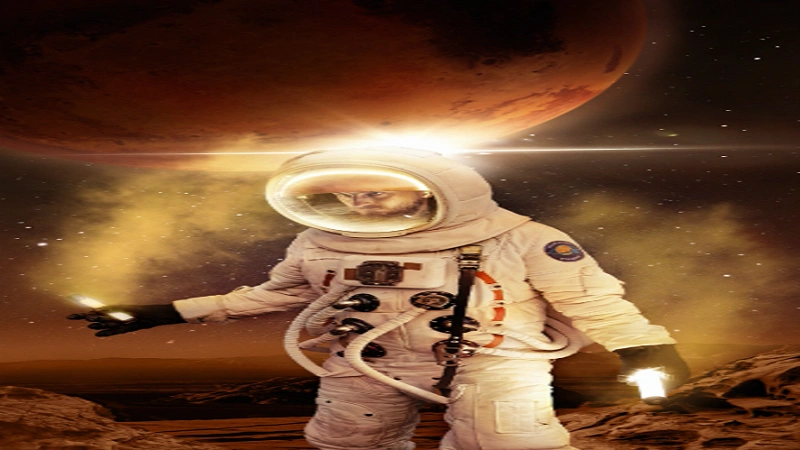
The universe has always fascinated humanity. From ancient civilizations gazing at the stars to modern scientists launching telescopes into space, the desire to understand the cosmos is deeply rooted in human nature. Today, the internet has transformed how people explore astronomy, astrology, and space science. New platforms and communities continue to emerge, bringing cosmic knowledge closer to everyday enthusiasts. One such growing concept that has been gaining attention online is astrodud.
This article explores what astrodud represents, why it is attracting interest, and how it reflects the modern culture of digital astronomy communities. Whether you are a space enthusiast, a curious learner, or simply someone who enjoys discovering new trends, understanding this concept can open a fascinating window into how people connect with the universe in the digital age.
The Growing Popularity of Space Culture Online
In the past two decades, the internet has dramatically changed how people learn about space. Previously, astronomy knowledge was mostly limited to textbooks, documentaries, or academic institutions. Today, anyone with a smartphone can watch live rocket launches, follow astronomers on social media, and explore high-resolution images of distant galaxies.
This shift has created a vibrant digital culture around space. Online communities share telescope photos, discuss planetary events, track meteor showers, and analyze cosmic discoveries. Platforms like YouTube, Reddit, and science blogs have become meeting places where professionals and amateurs alike share their passion for the stars.
Within this environment, new identities and personalities emerge. Some people become influencers who simplify complex astronomical topics for the public. Others create humorous or creative content inspired by space science. In many cases, these personalities adopt unique online names that reflect their interests. The concept of astrodud fits naturally within this evolving ecosystem.
Understanding the Concept
The word astrodud combines two familiar ideas: “astro,” which refers to stars, space, and astronomy, and “dud,” a casual slang term often used to describe a laid-back person or personality. Together, the term can represent someone who is passionate about astronomy while maintaining an approachable, friendly style.
Rather than presenting space science in a highly technical or academic manner, the idea emphasizes making cosmic topics relatable and fun. A person using this identity might share educational posts about planets, create entertaining explanations about black holes, or discuss the latest space missions in a casual tone.
In many ways, this concept reflects a broader trend in science communication. People today prefer content that is both informative and engaging. Complex theories are easier to understand when explained with storytelling, humor, and everyday language.
The idea of astrodud symbolizes a bridge between serious scientific knowledge and everyday curiosity.
The Role of Digital Creators in Astronomy
Digital creators play a major role in popularizing astronomy. Scientists and educators increasingly collaborate with online creators to make space knowledge accessible to wider audiences.
Content creators often produce:
-
Short educational videos about planets and galaxies
-
Live streams during solar eclipses or meteor showers
-
Visual explanations of complex topics like relativity or dark matter
-
Commentary on new discoveries from space agencies
These creators help translate scientific research into content that people of all ages can understand.
A personality associated with astrodud could represent this type of approachable science communicator. Instead of formal lectures, they might explain why Saturn’s rings are special while using humor, animations, or simple analogies.
By doing so, they make astronomy less intimidating and more enjoyable for beginners.
Why People Are Drawn to Cosmic Content
Human fascination with space is not new. For thousands of years, civilizations have studied the sky for navigation, agriculture, and spiritual meaning. However, modern technology has amplified that curiosity.
Several reasons explain why cosmic content continues to attract millions of viewers online:
1. The Mystery of the Universe
The universe is vast and largely unexplored. Questions about black holes, dark energy, and extraterrestrial life spark imagination and discussion.
2. Stunning Visuals
Images from modern telescopes show colorful nebulae, distant galaxies, and breathtaking cosmic structures. These visuals naturally attract attention.
3. Scientific Breakthroughs
Space agencies regularly announce discoveries that reshape our understanding of the cosmos, such as detecting gravitational waves or identifying potentially habitable exoplanets.
4. Inspiration and Perspective
Learning about the scale of the universe often changes how people view Earth and humanity’s place within it.
Online personalities and communities that reflect the spirit of astrodud help transform these topics into engaging experiences for everyday audiences.
Social Media and the Rise of Space Communities
Social media has created a global meeting place for space enthusiasts. Anyone interested in astronomy can connect with others, regardless of location or background.
Common activities within these communities include:
-
Sharing telescope photos of the Moon or planets
-
Discussing upcoming celestial events
-
Posting educational threads explaining cosmic phenomena
-
Debating theories about space exploration
These interactions create a sense of belonging among people who share a fascination with the universe.
An identity such as astrodud fits naturally within this environment because it reflects enthusiasm, curiosity, and a friendly approach to learning.
Many creators build loyal audiences by consistently sharing informative yet entertaining content about space.
Making Complex Astronomy Simple
One of the biggest challenges in science communication is explaining complex ideas without oversimplifying them. Topics like quantum mechanics, cosmic inflation, and gravitational waves involve advanced mathematics and physics.
However, skilled communicators can break these topics down into understandable concepts.
For example:
-
A black hole can be explained as a region where gravity is so strong that even light cannot escape.
-
The expansion of the universe can be compared to dots on a balloon spreading apart as the balloon inflates.
-
Exoplanets can be described as planets orbiting stars outside our solar system.
Creators who embrace the spirit associated with astrodud focus on making these explanations approachable while still respecting scientific accuracy.
This approach allows beginners to enjoy learning without feeling overwhelmed.
The Educational Value of Online Astronomy Content
Beyond entertainment, digital astronomy content has significant educational benefits. Many students develop interest in science through online videos and articles.
Exposure to engaging space content can inspire people to explore fields such as:
-
Astrophysics
-
Aerospace engineering
-
Planetary science
-
Data analysis and computer modeling
Educators increasingly recognize the value of online science communicators in encouraging curiosity.
When complex topics are explained clearly and enthusiastically, learners feel more confident exploring them further.
A relatable identity like astrodud helps remove the intimidation often associated with advanced scientific subjects.
The Future of Space Exploration
Humanity is entering a new era of space exploration. Governments and private companies are investing heavily in missions to the Moon, Mars, and beyond.
Major developments expected in the coming decades include:
-
Permanent lunar research stations
-
Human missions to Mars
-
Advanced telescopes capable of studying distant exoplanets
-
Asteroid mining technologies
-
Improved space habitats for long-term exploration
As these developments unfold, public interest in astronomy will likely continue growing.
Online creators and communities will play an important role in explaining these milestones to global audiences.
The type of approachable personality symbolized by astrodud will remain valuable in translating complex scientific achievements into stories people can easily understand.
Inspiring the Next Generation
One of the most powerful aspects of astronomy content is its ability to inspire young minds. Many scientists today trace their passion for space back to childhood experiences—watching rocket launches, reading science books, or observing the night sky.
Digital platforms now make those experiences more accessible than ever.
A child can watch a telescope livestream from another country or learn about galaxies through interactive animations.
Creators who explain cosmic topics with enthusiasm and humor help ignite curiosity in future scientists and engineers.
This sense of inspiration is central to the identity associated with astrodud, which emphasizes passion, curiosity, and a love for the universe.
Balancing Science and Entertainment
Modern audiences often expect content to be both informative and entertaining. Science communicators must balance accuracy with creativity.
This balance can be achieved through:
-
Visual storytelling
-
Real-world analogies
-
Humor and relatable examples
-
Interactive discussions with audiences
When done correctly, this approach helps people remember and understand complex ideas more easily.
A personality reflecting the concept of astrodud demonstrates how science communication can remain educational while still being enjoyable.
The Endless Wonder of the Cosmos
Despite centuries of research, the universe still holds countless mysteries. Scientists continue to investigate fundamental questions such as:
-
What is dark matter made of?
-
Are we alone in the universe?
-
How did the first galaxies form?
-
What happens inside black holes?
Each discovery leads to new questions and deeper exploration.
For enthusiasts around the world, this constant search for knowledge is part of what makes astronomy so exciting.
Communities and creators who share this enthusiasm help keep public interest alive and growing.
Conclusion
The digital age has transformed how humanity engages with astronomy. Space exploration and cosmic discoveries are no longer limited to academic circles; they are now part of everyday online culture. Through social media, blogs, and video platforms, millions of people explore the universe together.
The idea represented by astrodud reflects this modern approach to science communication—curious, approachable, and passionate about sharing the wonders of the cosmos. By blending education with entertainment, personalities within this space help make astronomy accessible to everyone.
As humanity continues exploring deeper into the universe, the role of engaging communicators will remain essential. They will translate complex discoveries into stories that inspire curiosity, spark imagination, and remind us of our connection to the vast cosmic landscape.